A bill that would implement “bell-to-bell” cell phone bans across Kansas public and private schools passed in the Kansas House on February 17.
House Substitute for Senate Bill 281 passed through the Committee of Education with a myriad of changes since its introduction by Senate Majority Leader, Chase Blasi, and Minority Leader, Dinah Sykes on Jan. 6, 2026.
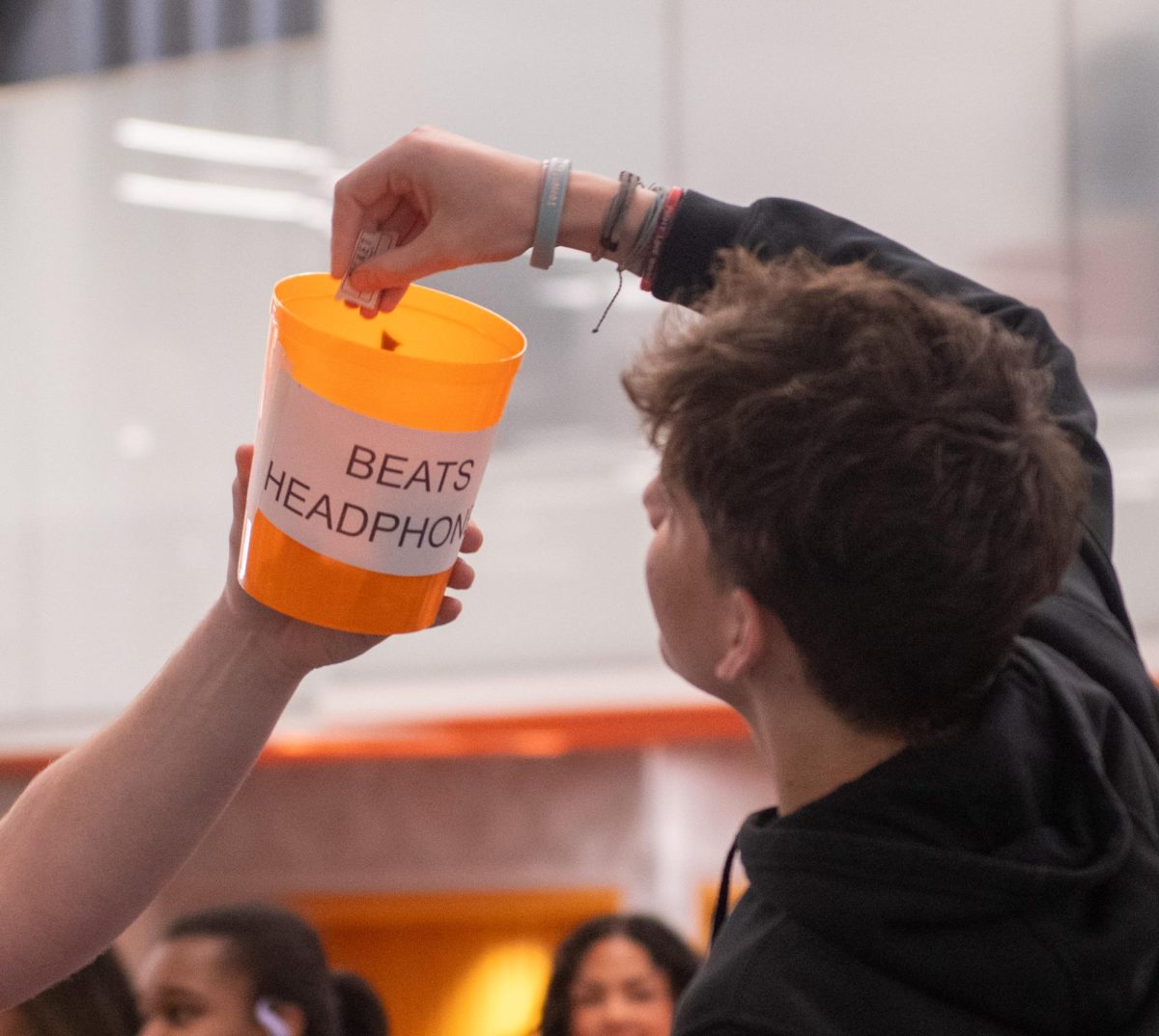
The ban requires that school districts confiscate all student personal electronic devices and place them in an inaccessible location once school starts and until it ends. This includes passing period and lunch. “Personal devices” consist of, but are not limited to, cell-phones, smart watches and earbuds.
The bill also prohibits any employee of a school district from using social media to communicate with students for official school purposes.
There is a noticeable amount of bipartisan support backing this bill. Both liberal and conservative lawmakers have argued in favor of stricter cell-phone mandates, citing lost social connections, a decline in academic performances and poor mental health as result of social media addictions.
“Smart phones and social media have exposed our children to a world they are not ready for and social pressures they don’t need or deserve,” Kansas Governor Laura Kelly said in her annual address to lawmakers in January. “Get that bill to my desk and I will sign it into law.”
Other Kansas lawmakers, however, believe this bill is far too restrictive, especially for a high school setting.
“I voted no on that bill,” District 17 and Shawnee/Lenexa Representative Jo Ella Hoye said. “The Shawnee Mission School District already went through the process to develop a policy on personal devices. My son’s a seventh grader. When that policy went into place it made a big difference to not have cell phones in lunch rooms for middle schoolers. But for high school, that’s a different story.”
SMSD officials, such as superintendent Dr. Michael Schumacher have stated that not only would this bill be difficult to enforce, particularly throughout high schools. Many students leave school at various times to take classes in alternate buildings, have shortened schedules or hold other special privileges, but, Dr. Schumacher said this also places pressure on SMSD’s budget, and teachers.
“I don’t want to spend millions of dollars on pouches,” Dr. Schumacher said. “We also didn’t, and I’ll say this, want to waste teachers’ time in collecting devices. It just didn’t make any sense. We have developed a policy that’s appropriate for us. If this becomes law, of course we’ll follow it, but I have major concerns that it’ll cost us either time or money to implement it. And we don’t have either of those things to spare.”
SMSD, and the six other Johnson County public school districts, including Olathe and Blue Valley have developed a united front against this bill. Superintendents, like Dr. Schumacher, contact Kansas lawmakers regularly regarding reasons for their opposition, and discuss progress on their efforts.
“I’m really proud of the partnership we’ve developed,” Dr. Schumacher said. “We don’t talk daily, but it’s many times a week. Our voice matters amongst the state. And most of our legislators are listening.”
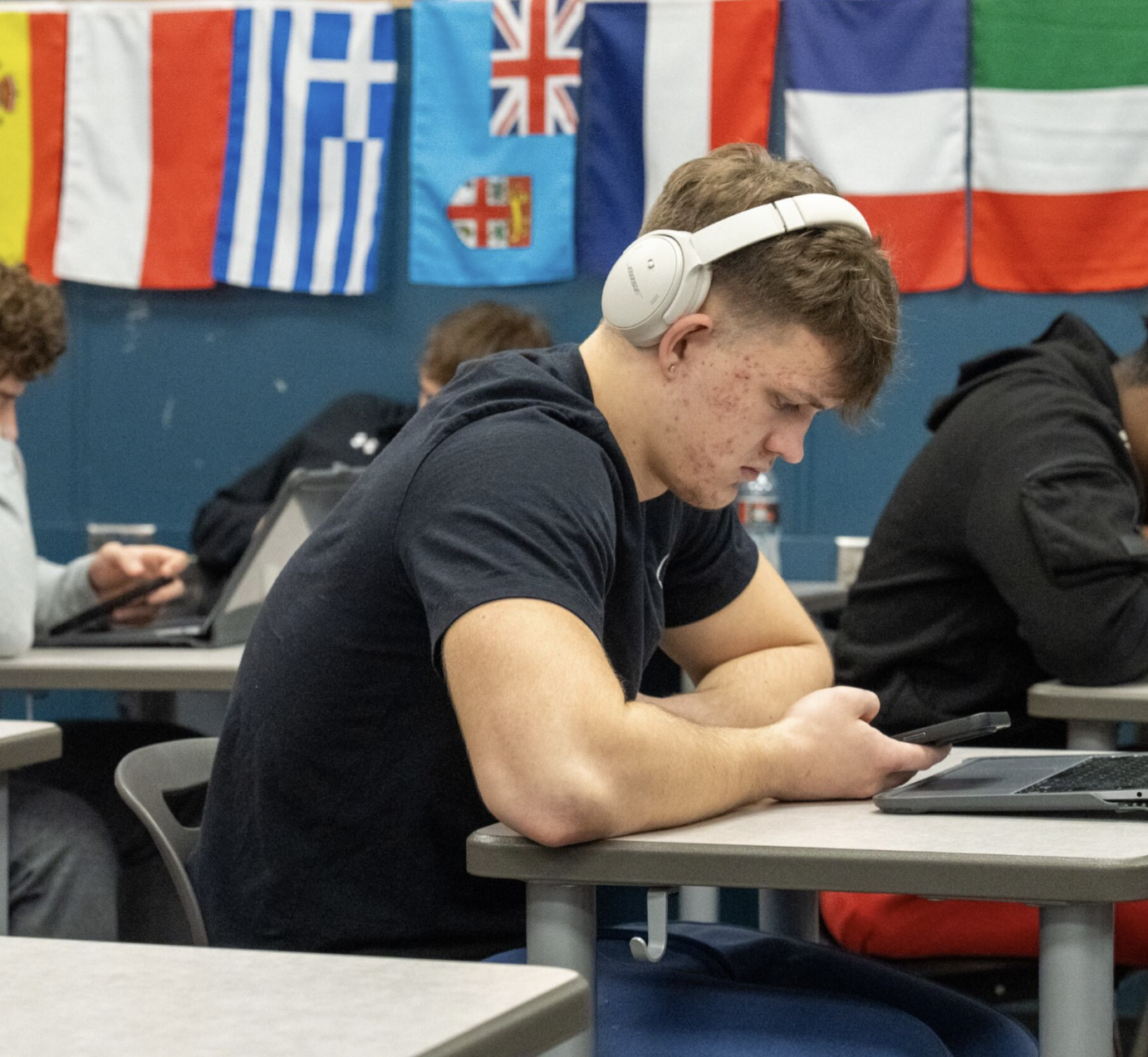
SMSD created a cell phone policy last year that, at the high school level, prohibits student devices from being out during instructional time. Now, students have the option to keep personal devices stowed away in lockers, backpacks or their back pocket. Some teachers ask that students place their cell phones in pocket charts at the start of class.
Students fear that this ban would take away the ability to communicate in emergency situations, such as school shootings.
“We don’t live in a society where that’s safe enough,” Sophomore Mia Weltmer said. “That’s the wrong focus. We need to address physical dangers to student safety first. As of right now, anything could happen. And if we need help, we may not be able to access this because of this ban.”
After being passed in the House, on February 17, Senate Bill 302 was moved to the Committee on Ways and Means. It must be approved by the committee before advancing to the Senate floor for a vote. If the Senate also votes in favor, this bill will move to Gov. Kelly’s desk for signing.
“It’ll pass in some form,” Dr. Schumacher said. “There’s too much political momentum behind it. What I hope is that it gets dwindled down to something that says school districts must create their own policy. A straight ban is the easy thing to do. Having collaborative conversations and coming to a middle ground is hard. And that’s what we did.”
The Committee on Ways and Means has yet to schedule a hearing. However, it’s likely that any major changes, or voting on this bill will take place in a matter of weeks.
“I don’t find the Kansas legislature is best at logistics,” Rep. Hoye said. “As a parent, do I want my kid on his phone all day? No. But understanding what it’s like through a whole school day is best left to the professionals in our school districts.”