













After the Kansas Legislature again failed to fund special education services statewide, the Shawnee Mission School District pulled $29 million from its general fund to cover costs.
A Kansas statute — K.S.A 72-3422 — mandates that the state must assist public school districts by covering 92% of excess costs in special education. However, data from the Kansas Legislature’s website shows that they have not done this in more than a decade.
Currently, according to the Kansas Legislature budget, the state reimburses all districts for an average of 75.4% of excess costs. Data provided by the SMSD Budget and Finance Office shows SMSD received 61.2% of its special education funding in 2024.
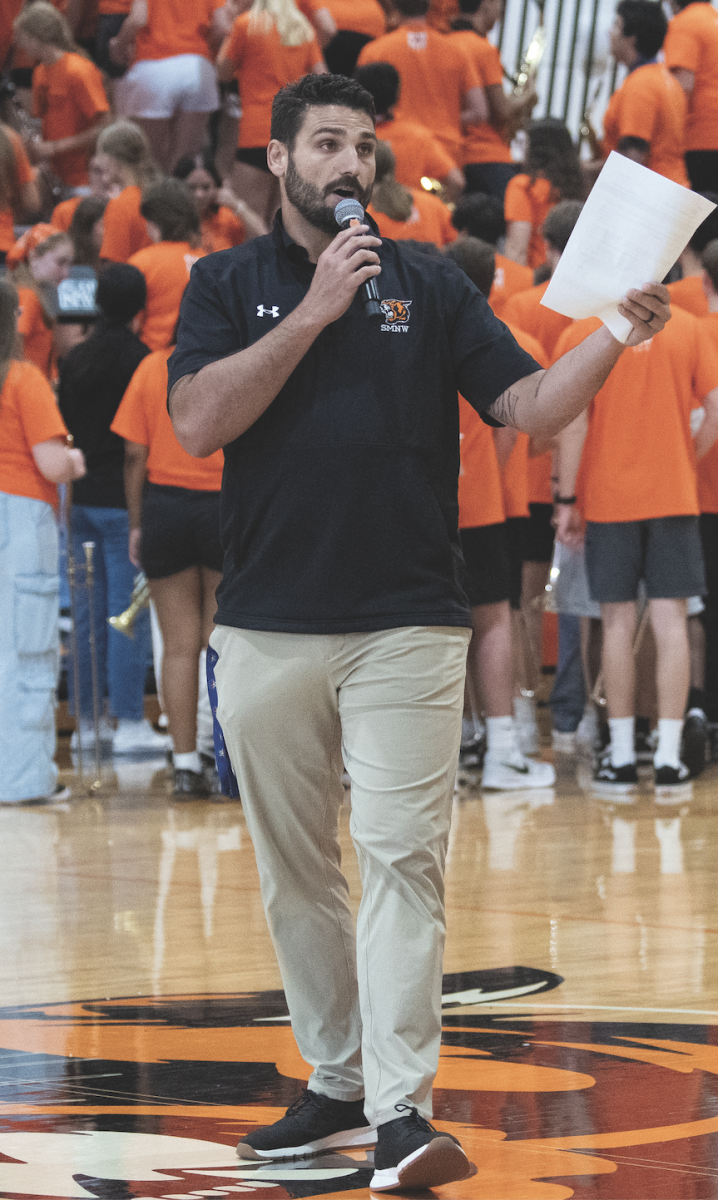
“It appears as though there’s a faction of legislators that aren’t fully supportive of getting us to that constitutional level ,” SMSD Superintendent Dr. Michael Schumacher said. “It’s complicated, but what that means is all of our 26,500 kids are being shortchanged.”
As a result, SMSD, among other districts, are forced to take money away from teacher salaries and benefits and student programs and services. This has prompted lawsuits, students without enough support and budget issues.
All states are legally obligated to fully fund special education, stemming from
the Individuals with Disabilities Education Act (IDEA), passed in the U.S. House and Senate and signed by President Gerald Ford in 1975.
“As a district, we recognize our obligation under both federal and state law to provide a free and appropriate public education to every student who qualifies for special education services,” SMSD Associate Superintendent of Special Education and Strategic Initiatives Dr. Sherry Dumolien said. “That obligation is non-negotiable, and we will always prioritize meeting student needs, regardless of the funding picture.”
WHERE THE MONEY GOES
The $29 million taken from SMSD’s general budget to fund special education primarily impacts teacher salaries and benefits, Schumacher said. Last year, SMSD pulled $20 million to fully fund special education for the same reason.
“We always want to give the highest salaries and raises we possibly can,” Schumacher said. “But that’s a balancing act, right? So that’s what bothers me, is I know how hard our teachers work. I also know that we need to stay competitive. And as much as our teachers may love Shawnee Mission and their kids, we’re all paying bills. I don’t want someone to consider leaving us because we didn’t do everything they expect, and of course, deserve.”
SMSD employs over 900 certified and classified staff members supporting students with disabilities and supports over 2,500 students with disabilities.
Over the past four years, special education expenditures in SMSD have risen by $12.4 million, Dumolien said. Last year the total expenditures for special education in SMSD was $64.5 million. Schumacher said that since COVID, he’s noticed a spike in the identification of special needs.
SMSD Chief Executive Officer Russell Knapp said the district has begun factoring money out of its annual budget for special education when creating it. That way, Knapp said, they don’t need to brainstorm creative solutions for where they can pull the money from on shorter notice. It’s already set aside from the budget.
SMSD’s annual general budget is around $500 million. The $20 million pulled from last year’s funds was 6.7% of that.
But Knapp says that makes a big difference.
“It prevents us from adding programs and services that would benefit education,” Knapp said.
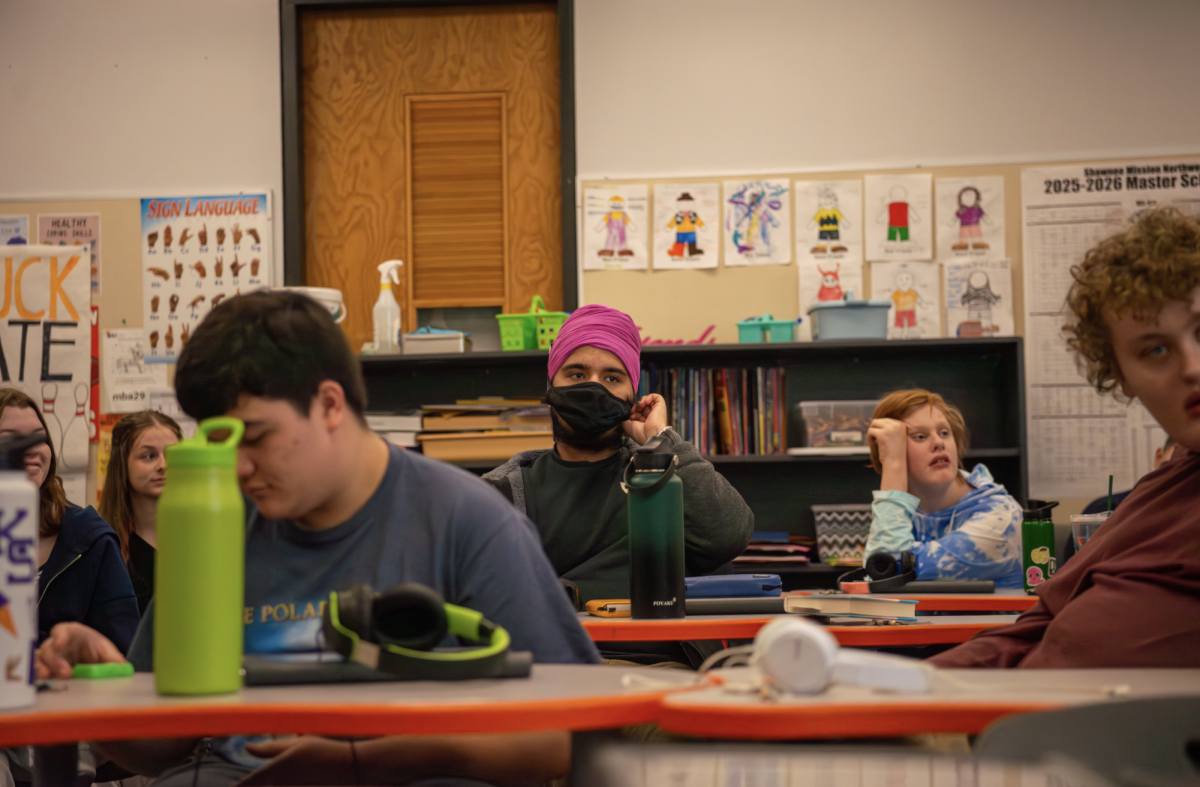
SMSD pays for a wide range of special education services, which vary depending on individual needs expressed in IEPs. For students requiring minimal support, this could look like a consultation or accommodations within the general classroom like more time allotted for testing and assignments or readers for exams. For others, this could be intensive instruction or related services, such as bathroom support or medical assistance.
Intensive resource (special education) teachers Deborah Jenkins and Misty Verren said that if their department had additional funding, it could be used to hire more staff, and purchase equipment for their life skills program.
“We don’t have enough paras to support our students” Jenkins said. “Getting to all the things they need and electives.”
Verren also expressed the need for implementing a private bathroom.
“It’s just because we’re in an old photography room,” Verren said. “We’re not in a room that’s built for special education. So if you go to Olathe or Mill Valley, those schools are newer and they’re classroom is gonna have a stove, washer and dryer, bedroom setup and private bathroom.”
Terry Preston, a SMSD substitute teacher who specializes in special education, also believes with more funding the district could offer more training.
“Part of it is creating an environment where there are more quiet rooms kids can go in,” Preston said. “But, right now, that doesn’t exist from what I’ve seen. We also need more training to the staff members that can provide a level of care they deserve.”
Principal Dr. Lisa Gruman acknowledges the impact on staffing ratios that a lack of state aid has caused.
“If you’re not inside the school and don’t see what that looks like each day it’s easy to think ‘well, schools can make do,’” Gruman said.
ADVOCACY
Schumacher said advocacy is his biggest focus in solving their funding crisis.
Each year, the SMSD Board of Education creates a legislative platform, a part of their goal in which is to fully fund special education. The district also employs a lobbyist, Dr. Stuart Little, to speak on their behalf in Topeka and federally request further funding.
Schumacher also works to communicate with legislators and national representatives, and collaborates with other district superintendents. He said other districts across Kansas are suing Kansas legislature for violating the law and not allocating enough funding for special education.
However, he believes that for SMSD, this would be the “nuclear option.”
“That’s if it’s getting to the point so impactful, that we have to act in a bigger, more profound way,” Schumacher said.
In 2024, Kansas Governor Laura Kelly signed a bill that originally gave Kansas public schools an additional $72 million in special education. Around a year later, and amidst propositions to delete special education funding from the budget entirely, the Republican-majority Kansas House of Representatives and Senate — and ultimately the House Appropriations Committee — signed a new bill on appropriating $10 million instead. That is an 86% decrease.
Rep. Kristey Williams, a legislator responsible for the proposal to cut funding for special education, did not respond with request for comment before publication.
Gov. Kelly, known as an education advocate, did not take any part in creating this year’s annual budget like usual, according to a member of her staff. In a Senate meeting on April 9, Gov. Kelly said the budget, which focuses on implementing large tax breaks, would be bad for the Kansas economy.
“This budget will put Kansas in the red by fiscal year 2028,” Gov. Kelly said. “This is reckless and irresponsible policy making.”
WHAT’S NEXT
Gruman said she believes the district is doing the best with what they’ve been given.
However, she, like many in SMSD, are waiting for change.
“We’re still accomplishing things under the current budget, but again, that’s with using district resources from our general budget,” Gruman said. “Hopefully we’ll start to see some improvement in that area.”
Schumacher said pulling money from the general budget, while not ideal or sustainable, may be their best course of action right now as they continue to advocate before legislators and community members.
“We need to be considering, ‘What if we continue to not be fully funded in special education?’” Schumacher said. “What would that mean for our general budget? We just want the resources we require, so that we can serve students.”