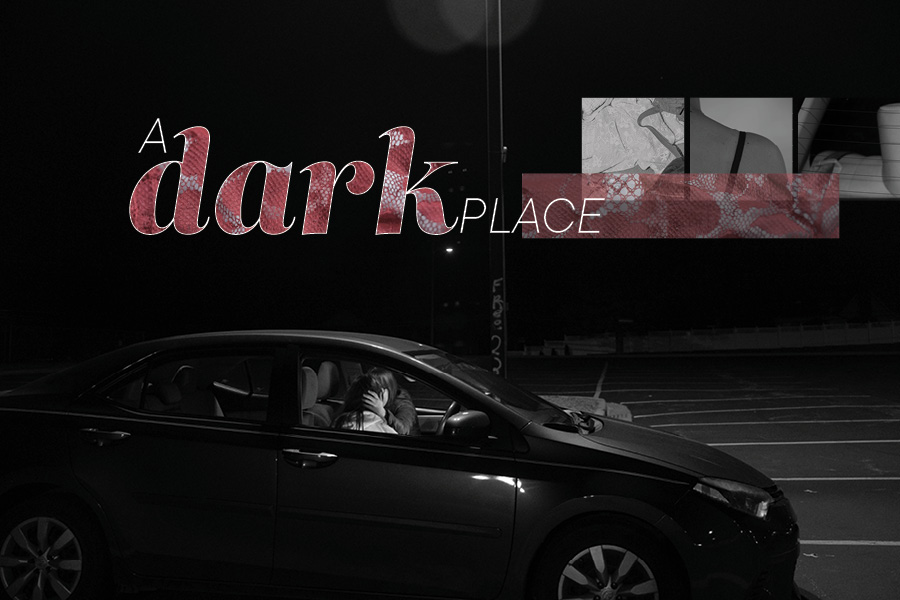
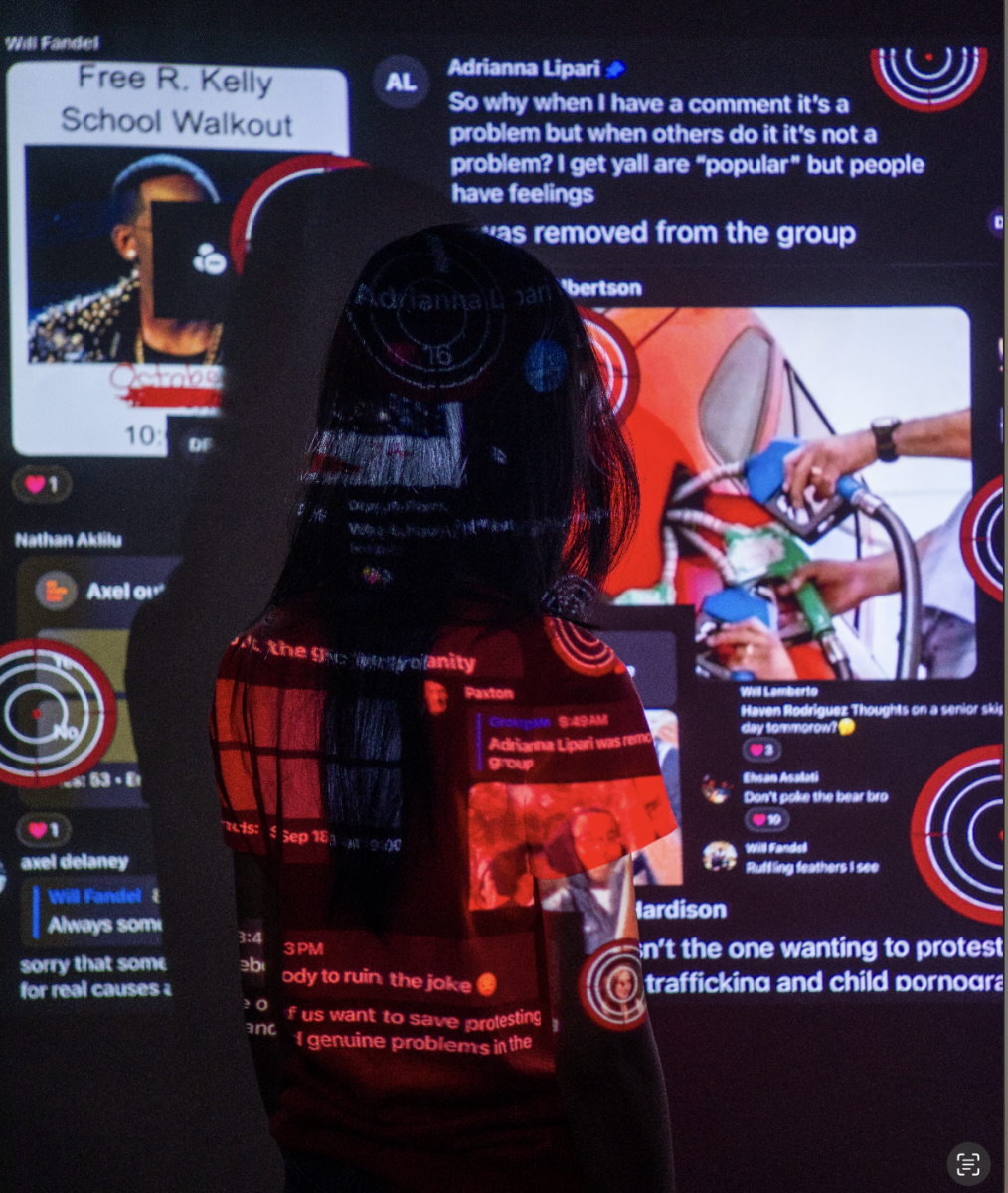
Phones, social media and technology are where it began for Carroll.
“In elementary school, I was always kind of like the ugly kid,” Carroll said. “People would Photoshop my body and stuff like that to make my butt look bigger. And I was always very insecure.”
When middle school approached, the negative attention Carroll would get from her peers would soon turn into affirmations. Her routine consisted of waking up at 6:30 a.m. to ensure her hair and makeup were done perfectly for the snaps she’d send in the morning. Once she got home from school, she was back on Snapchat.
“Any type of early exposure to technology, to social media, it’s been shown there’s a correlation with a negative impact to how humans process emotions [and] regulate emotions,” Ciani said.
In Carroll’s eyes, the early mornings obsessing over her looks paid off.
“Everybody had built me up on my looks, and that’s all I thought I was,” Carroll said. “I’m nothing without my looks.”
Seventh grade was the first time Carroll had casual sex for the first time with someone she met online.
“I was 13, and Snapchat is a dark, horrible place,” Carroll said. “I knew it was weird and not right. I was pretty embarrassed, I really tried to brush it behind me and not acknowledge it.”
Chapman had a boy she met from Snapchat over at her house while her mom was gone. While her intention wasn’t to engage in anything sexual, they still did. He then left after five minutes and she was blocked before he left the parking lot.
“It feels like I got beat down every single time, more and more,” Chapman said.
The anonymity of online relationships leads to a lack of accountability with the harmful actions displayed in those intimate, yet short, moments.
“Some kids end up developing hurtful or maladaptive behaviors because they don’t know boundaries,” Ciani said.
Students want the benefits of a relationship, such as attention and pleasure, without the emotional attachment and effort that it takes to sustain a meaningful connection.
“People just don’t want to commit,” Moore said. “There’s always someone better. At least we think there is. Because we’re like, what if there’s a better fit? What if there’s a better hookup?”
Now a junior, Carroll says she can grasp the situations she was in.
“I do acknowledge it, and it set up a system for me, and how I viewed love, which was sex,” Carroll said. “I wish I could go back and protect her.”





 News featureThe Balancing Act
 News featureOFFLINE
 News featureWHAT'S YOUR WHY?
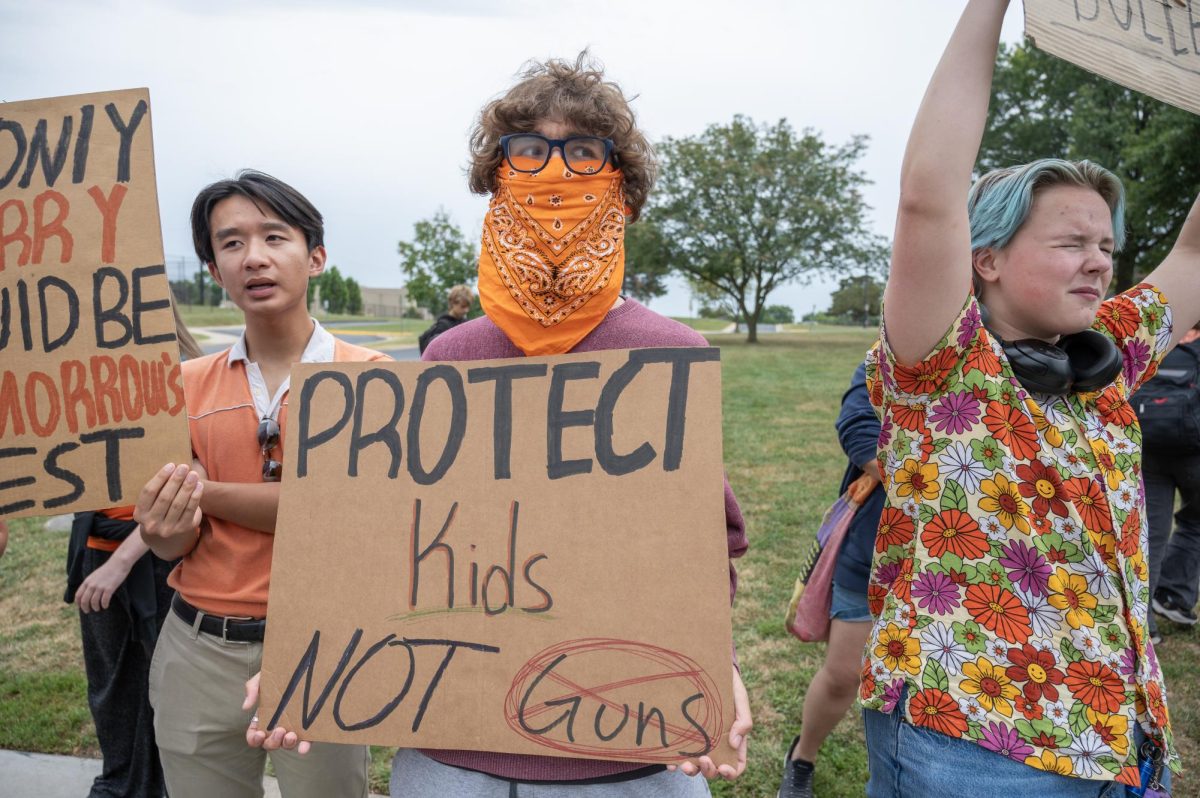 News feature"ENOUGH IS ENOUGH:" NORTHWEST STUDENTS PROTEST SCHOOL SHOOTING